
Transform Your Garden with Organic Methods

Understanding Organic Gardening
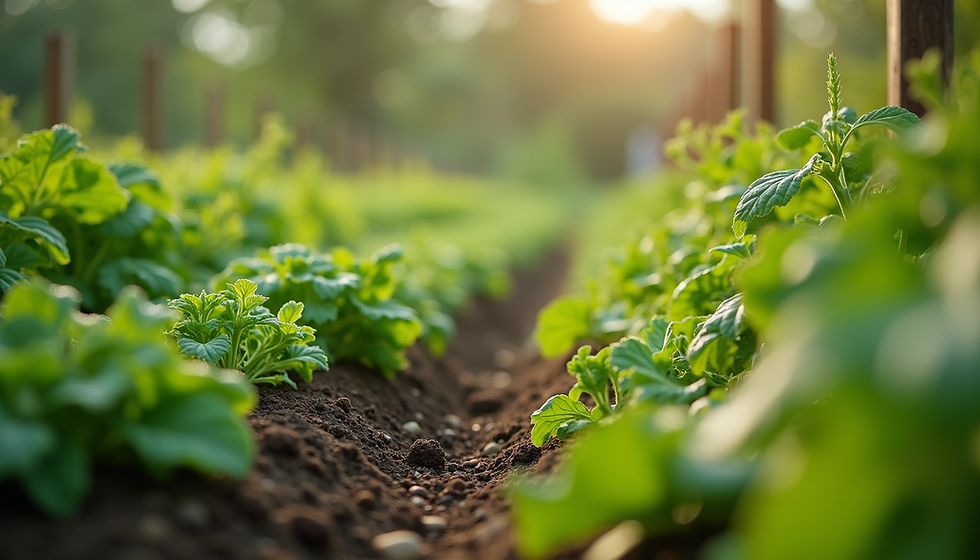
Organic gardening focuses on growing plants without synthetic fertilizers or pesticides. Instead, it relies on natural processes and materials. This approach benefits the environment and can lead to healthier plants.
Here are some key principles of organic gardening:
Soil Health: Healthy soil is the foundation of a thriving garden. Organic methods improve soil structure and fertility.
Biodiversity: Encouraging a variety of plants and animals helps create a balanced ecosystem.
Natural Pest Control: Instead of chemicals, organic gardeners use natural predators and barriers to manage pests.
By following these principles, you can create a garden that is not only beautiful but also sustainable.
Improving Soil Health
Healthy soil is crucial for a successful garden. Organic methods can enhance soil quality in several ways.
Composting
Composting is one of the best ways to enrich your soil. It involves collecting kitchen scraps, yard waste, and other organic materials to create nutrient-rich compost.
To start composting:
Choose a Bin: You can buy a compost bin or make one from wood pallets.
Add Materials: Include a mix of green materials (like fruit scraps) and brown materials (like dried leaves).
Turn the Pile: Every few weeks, turn the compost to aerate it and speed up decomposition.
Use the Compost: After a few months, your compost will be ready to use. Mix it into your garden beds to improve soil fertility.
Mulching
Mulching is another effective way to improve soil health. It involves covering the soil with organic materials like straw, wood chips, or grass clippings.
Benefits of mulching include:
Moisture Retention: Mulch helps retain moisture in the soil, reducing the need for frequent watering.
Weed Control: A thick layer of mulch can suppress weed growth, saving you time and effort.
Soil Temperature Regulation: Mulch keeps the soil temperature stable, which is beneficial for plant roots.
Choosing the Right Plants
Selecting the right plants is essential for a successful organic garden. Native plants are often the best choice, as they are adapted to your local climate and soil conditions.
Native Plants
Native plants require less water and are more resistant to pests and diseases. They also attract beneficial insects, such as pollinators.
To find native plants for your area, check with local nurseries or gardening clubs.
Companion Planting
Companion planting is another strategy to enhance your garden's appeal. This method involves planting different species together to benefit each other.
For example:
Marigolds: These flowers can deter pests when planted near vegetables.
Basil and Tomatoes: Basil can enhance the flavor of tomatoes and repel harmful insects.
By using companion planting, you can create a more diverse and resilient garden.
Natural Pest Control
Pests can be a significant challenge for gardeners. However, organic methods can help you manage them without harmful chemicals.
Beneficial Insects
Encouraging beneficial insects is one of the best ways to control pests naturally. Ladybugs, lacewings, and predatory wasps can help keep harmful insect populations in check.
To attract these helpful creatures:
Plant Flowers: Flowers like dill, fennel, and yarrow can attract beneficial insects.
Provide Shelter: Create habitats for beneficial insects by leaving some areas of your garden undisturbed.
Homemade Remedies
You can also make your own pest control solutions using common household ingredients. Here are a few simple recipes:
Soap Spray: Mix one tablespoon of liquid soap with a quart of water. Spray it on plants to control aphids and spider mites.
Garlic Spray: Blend a few cloves of garlic with water, strain, and spray on plants to deter pests.
These homemade remedies are safe for your plants and the environment.
Watering Wisely
Watering is a crucial aspect of gardening, especially in organic practices. Here are some tips for efficient watering:
Drip Irrigation
Drip irrigation delivers water directly to the plant roots, minimizing waste. This method is especially useful in dry climates.
To set up a drip irrigation system:
Plan Your Layout: Determine where your plants are located and how much water they need.
Install Tubing: Lay out the tubing along your garden beds, ensuring it reaches each plant.
Add Emitters: Place emitters at the base of each plant to deliver water directly to the roots.
Rainwater Harvesting
Collecting rainwater is an excellent way to conserve water and reduce your water bill.
To start harvesting rainwater:
Install a Rain Barrel: Place a barrel under your downspout to collect rainwater.
Use the Water: Use the collected water for your garden, especially during dry spells.
By using these methods, you can ensure your garden receives the right amount of water without wasting resources.
Enhancing Aesthetics with Organic Practices
Beyond health and sustainability, organic gardening can also enhance the visual appeal of your garden. Here are some ideas to make your garden more attractive.
Colorful Flowers
Incorporating a variety of flowers can add color and vibrancy to your garden. Choose flowers that bloom at different times to ensure continuous color throughout the growing season.
Some popular options include:
Sunflowers: Tall and cheerful, they can create a stunning focal point.
Zinnias: These hardy flowers come in various colors and attract butterflies.
Vertical Gardening
If space is limited, consider vertical gardening. This method allows you to grow plants upward, saving space and adding visual interest.
You can use:
Trellises: Support climbing plants like beans and cucumbers.
Wall Planters: Create a living wall with herbs or flowers.
Vertical gardening not only maximizes space but also adds a unique element to your garden design.
Creating a Wildlife-Friendly Garden
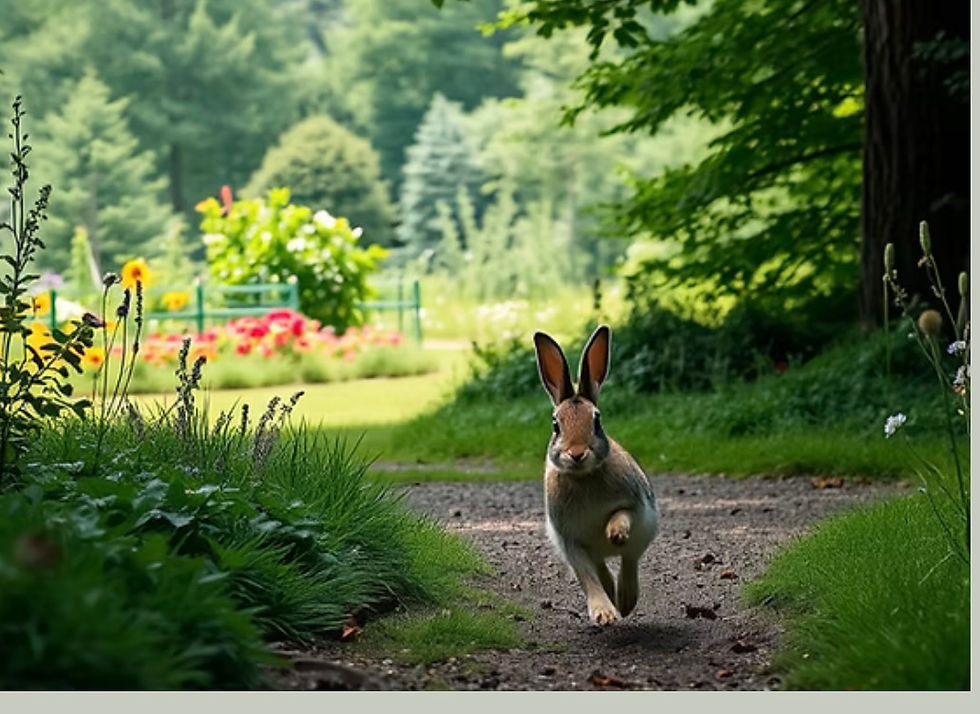
A wildlife-friendly garden can enhance your garden's appeal while supporting local ecosystems. Here are some ways to attract wildlife:
Birdhouses and Feeders
Installing birdhouses and feeders can attract various bird species to your garden.
Choose birdhouses that suit the types of birds in your area.
Provide bird feeders filled with seeds to keep them coming back.
Pollinator Gardens
Creating a pollinator garden is a fantastic way to support bees and butterflies.
Plant a variety of nectar-rich flowers, such as:
Lavender: A favorite among bees.
Coneflowers: These attract butterflies and provide a pop of color.
By creating a welcoming environment for wildlife, you can enjoy the beauty of nature right in your backyard.
The Joy of Organic Gardening
Organic gardening is not just about growing plants; it is about nurturing a relationship with nature. The process can be incredibly rewarding, providing a sense of accomplishment and peace.
As you implement these organic methods, you will notice the positive changes in your garden.
You will see healthier plants, vibrant colors, and a thriving ecosystem.
Gardening organically allows you to create a beautiful space while caring for the environment.
So, roll up your sleeves, get your hands dirty, and enjoy the journey of organic gardening.

By embracing organic methods, you can boost your garden's appeal and contribute to a healthier planet. Happy gardening!
Additional Tips for Organic Gardening
Understanding Your Garden's Microclimate
Every garden has its unique microclimate. This can affect how plants grow and thrive. Observe your garden throughout the day. Note where sunlight falls and where shade is cast. This knowledge will help you choose the best plants for each area.
Seasonal Planting
Timing is key in gardening. Planting at the right time of year can make a significant difference. Research your local frost dates and plant accordingly. This will help ensure your plants have the best chance of thriving.
Regular Maintenance
Organic gardening requires regular maintenance. Check your plants frequently for signs of pests or disease. Early detection can prevent larger problems later on.
Community Involvement
Consider joining a local gardening group or community garden. Sharing experiences and tips with others can enhance your gardening journey. Plus, it’s a great way to make new friends!
By incorporating these additional practices, you can further enrich your organic gardening experience. Remember, gardening is a journey. Each season brings new challenges and rewards. Embrace the process and enjoy the beauty of your outdoor space!

Comments